
Can mindfulness practices really enhance your physical performance and overall health? Many individuals seeking a holistic approach to their fitness journey are now turning to meditation to improve their mental and physical well-being.
By incorporating meditation into their routine, fitness enthusiasts can experience a range of benefits, from reduced stress and anxiety to improved focus and mental clarity.
This integration of physical activity and mindfulness is revolutionizing the way we approach fitness and wellness, offering a more balanced and sustainable path to achieving overall health.
Key Takeaways
Table of Contents
- Reduced stress and anxiety through meditation
- Improved mental clarity and focus
- Enhanced overall well-being
- A more balanced approach to fitness
- Increased mindfulness in daily activities
Understanding the Mind-Body Connection
Understanding the link between mental state and physical performance is essential for fitness enthusiasts. The mind-body connection refers to the intricate relationship between our thoughts, emotions, and physical well-being.
How Mental State Affects Physical Performance
The mental state has a profound impact on physical performance. Stress and anxiety can lead to decreased athletic performance, while a positive mental state can enhance it. Meditation practices for well-being can help mitigate stress and improve overall physical health.
The Stress Response and Athletic Performance
When we experience stress, our body’s “fight or flight” response is triggered, releasing hormones like cortisol. Chronically elevated cortisol levels can negatively impact physical performance. Mindfulness for physical health can help manage stress and promote a balanced physiological state.
The Science Behind Meditation and Physical Health
Research has shown that regular meditation can have numerous physical health benefits, including reduced blood pressure and improved immune function. Studies have also highlighted the benefits of meditation for athletes, such as enhanced recovery and improved performance under pressure.
Research-Backed Benefits for Fitness Enthusiasts
- Improved cardiovascular health
- Enhanced muscular performance
- Better stress management
The Power of Meditation for Fitness and Wellness
Meditation has become an essential component of fitness and wellness routines, offering numerous benefits for both body and mind. By reducing stress and improving mental clarity, meditation can have a significant impact on one’s overall well-being.
Physical Benefits of Regular Meditation Practice
Regular meditation has been shown to have several physical benefits that can enhance fitness and wellness. One of the key advantages is improved recovery after exercise.
Improved Recovery and Reduced Inflammation
Meditation can help reduce inflammation and promote faster recovery after intense physical activity. This is achieved through the reduction of stress hormones, such as cortisol, which can contribute to inflammation.
| Physical Benefits | Description |
|---|---|
| Improved Recovery | Faster healing after exercise due to reduced inflammation |
| Reduced Inflammation | Lower levels of stress hormones like cortisol |
| Enhanced Immune Function | Better immune response due to reduced stress |
Mental and Emotional Advantages for Overall Wellness
In addition to physical benefits, meditation offers numerous mental and emotional advantages that contribute to overall wellness. Stress reduction is one of the most significant benefits.
Stress Reduction and Mood Enhancement
Meditation practices, such as guided meditation for fitness, can help reduce stress and anxiety, leading to an overall improvement in mood. By promoting a positive mental state, individuals can better cope with the demands of their fitness routines.
Getting Started: Essential Meditation Techniques
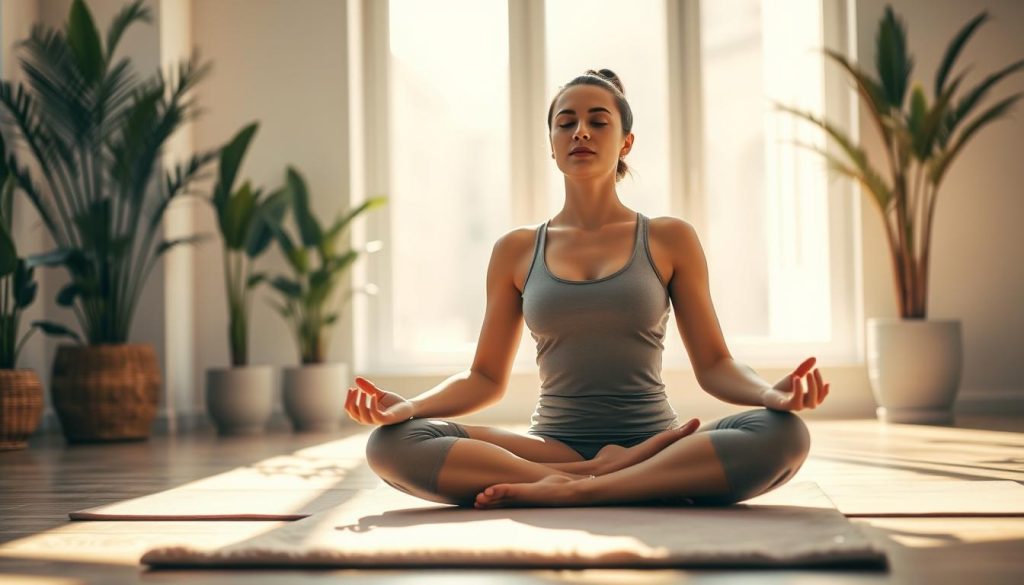
Meditation techniques offer a powerful tool for enhancing fitness and overall well-being. By incorporating these practices into your daily routine, you can experience significant improvements in both physical and mental health.
Breath-Focused Meditation for Beginners
Breath-focused meditation is an excellent starting point for those new to meditation. It involves concentrating on your breath to calm the mind and relax the body.
Step-by-Step Guide to Proper Breathing
To practice breath-focused meditation, start by finding a comfortable seated position. Close your eyes and take slow, deep breaths through your nose, holding the breath for a few seconds before exhaling slowly through your mouth. Focus on the sensation of the breath moving in and out of your body.
Body Scan Meditation for Physical Awareness
Body scan meditation helps develop physical awareness by bringing attention to different parts of the body. This technique can help identify areas of tension and promote relaxation.
How to Perform a Complete Body Scan
Lie down or sit comfortably, and close your eyes. Bring your attention to your toes, noticing any sensations without judgment. Gradually work your way up to the top of your head, scanning each part of your body for tension or discomfort.
Visualization Techniques for Performance Enhancement
Visualization involves creating mental images to achieve a specific outcome, such as improved performance in sports or fitness activities.
Creating Effective Mental Images
To visualize effectively, find a quiet space and close your eyes. Imagine yourself performing successfully in your chosen activity, engaging all your senses to make the visualization as vivid as possible. Repeat positive affirmations to reinforce your mental image.
Integrating Meditation into Your Fitness Routine
Incorporating meditation into your fitness routine can significantly enhance both your physical performance and mental well-being. By dedicating a few minutes to meditation before and after your workouts, you can improve your focus, reduce stress, and accelerate recovery.
Pre-Workout Meditation Practices
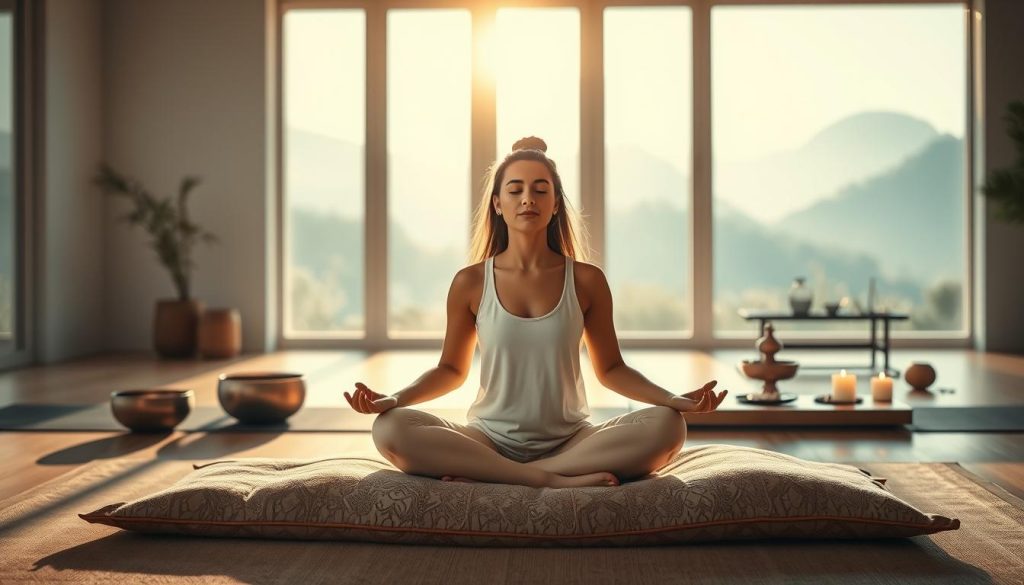
Pre-workout meditation can help prepare your mind and body for exercise. It sets a positive tone and can improve your concentration during workouts.
5-Minute Focus Boosters Before Exercise
Simple meditation techniques, such as focusing on your breath or a mantra, can be used to boost your concentration before a workout. Even a short 5-minute session can make a significant difference.
Post-Exercise Recovery Meditation
After your workout, meditation can aid in cooling down both your mind and body, facilitating a smoother recovery process.
Cooling Down the Mind and Body
Techniques such as body scan meditation can help you relax and reduce muscle tension after exercise, promoting a faster recovery.
Creating a Sustainable Meditation Schedule
To reap the long-term benefits of meditation, it’s essential to establish a consistent practice. Incorporating meditation into your daily routine, even if it’s just a few minutes a day, can lead to significant improvements in your overall well-being.
Sample Weekly Meditation Plan for Active People
Here’s a sample plan:
- Monday: 5-minute pre-workout focus meditation
- Wednesday: 10-minute post-workout recovery meditation
- Friday: 5-minute visualization meditation before exercise
Adjust this plan according to your schedule and preferences to maintain consistency.
Mindfulness for Enhanced Athletic Performance
Mindfulness is becoming an essential tool for athletes looking to improve their focus, reduce anxiety, and boost their mental resilience. By being more mindful, athletes can better navigate the pressures of competition and training.
Improving Focus and Concentration During Workouts
One of the primary benefits of mindfulness for athletes is the improvement in focus and concentration. Mindfulness practices help athletes stay present and fully engaged in their workouts.
Mindfulness Techniques for the Gym
Simple mindfulness techniques, such as focusing on the breath or the sensations in the body during exercise, can enhance an athlete’s ability to stay focused. This can lead to more effective workouts and better overall performance.
Overcoming Performance Anxiety and Mental Blocks
Athletes often face performance anxiety and mental blocks that can hinder their success. Mindfulness and meditation can play a crucial role in overcoming these challenges.
Meditation Practices for Competition Preparation
Specific meditation practices can help athletes prepare mentally for competitions. Visualization techniques and positive self-talk are examples of mindfulness practices that can be used to build confidence and reduce anxiety.
Building Mental Resilience Through Regular Practice
Regular mindfulness practice can help athletes build mental resilience, enabling them to bounce back more quickly from setbacks and injuries.
A study published in the Journal of Sports Sciences found that athletes who practiced mindfulness meditation showed significant improvements in their performance compared to those who did not.
“The mind is everything; what you think, you become.” – Buddha
By incorporating mindfulness into their training regimen, athletes can experience these benefits firsthand. A well-structured mindfulness practice can be a powerful addition to any athlete’s toolkit.
| Mindfulness Practice | Benefit |
|---|---|
| Breath-focused meditation | Improved focus |
| Body scan meditation | Enhanced physical awareness |
| Visualization techniques | Better competition preparation |
Meditation for Injury Prevention and Recovery
By tuning into the body’s signals through meditation, individuals can better prevent injuries and improve their overall well-being. This mindfulness practice allows for a deeper connection between the mind and body, fostering an environment where potential issues can be addressed before they become serious.
Using Meditation to Listen to Your Body’s Signals
Meditation helps in developing a heightened sense of awareness regarding the body’s state. This awareness is crucial for recognizing early warning signs of potential injuries.
Recognizing Early Warning Signs
Through regular meditation, individuals can become more attuned to their bodies, allowing them to identify subtle changes or discomfort that may signal an impending injury. Early detection is key to preventing more severe problems.
Pain Management Through Mindfulness Techniques
Mindfulness meditation can be particularly effective in managing pain. By focusing on the present moment, individuals can better cope with discomfort.
Working With Discomfort Safely
It’s essential to differentiate between pain that is a normal part of exercise and pain that signals injury. Meditation helps in developing this discernment, allowing for a safer approach to physical activities.
Accelerating Healing with Guided Visualization
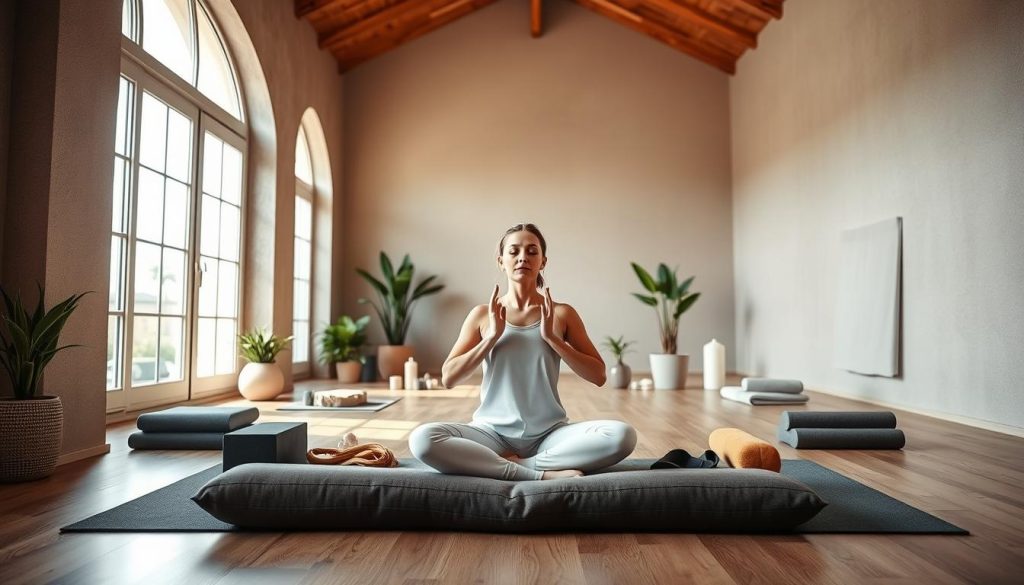
Guided visualization is a powerful meditation technique that can aid in the recovery process. By visualizing the healing process, individuals can potentially accelerate their body’s natural repair mechanisms.
A Healing Meditation Script
A simple script to start with: “Imagine a warm, soothing light entering your body, focusing on the area of injury. As this light circulates, it heals and repairs the damaged tissues. With each breath, feel the discomfort easing, and the strength returning.”
By incorporating meditation into their routine, individuals can not only prevent injuries but also enhance their recovery process, leading to a more sustainable and healthy fitness journey.
Overcoming Common Meditation Challenges for Busy People
Busy lives don’t have to mean missing out on the benefits of meditation. Many individuals struggle to incorporate meditation into their hectic schedules, but with the right strategies, it’s entirely possible to make meditation a sustainable part of daily life.
Finding Time in a Packed Schedule
One of the biggest challenges is finding the time to meditate. Micro-meditation practices can be a solution for those on-the-go.
Micro-Meditation Practices for On-the-Go
- Take a few deep breaths during your morning commute.
- Practice a quick body scan during a short break at work.
- Use a meditation app during your lunch break.
Dealing with Restlessness and Impatience
Restlessness and impatience are common obstacles to meditation. Techniques for calming the active mind can help.
Techniques for the Active Mind
Try focused attention meditation, where you concentrate on a single point, such as your breath or a mantra. This can help calm a restless mind.
Tracking Progress in Your Meditation Practice
Monitoring your progress can be motivating. Consider using a meditation journal or app to track your practice.
Meaningful Metrics Beyond Time Spent
| Metric | Description | Benefit |
|---|---|---|
| Consistency | Days in a row meditating | Builds habit |
| Mood Improvement | Noting improvements in mood | Enhances well-being |
| Focus | Assessing ability to concentrate | Improves mental clarity |
As
“The mind is everything; what you think, you become.” – Buddha
suggests, our thoughts have the power to shape our reality. Regular meditation can help cultivate a more positive and focused mindset.
Conclusion: Embracing Meditation as Part of Your Wellness Journey
As we’ve explored throughout this article, meditation is a powerful tool for enhancing both physical and mental health. By incorporating meditation into your daily routine, you can experience the numerous benefits of meditation for fitness and wellness, from improved physical performance to reduced stress and anxiety.
To make meditation a sustainable part of your wellness journey, start by committing to a regular practice. Even a few minutes each day can be beneficial. As you progress, you can explore various techniques, such as breath-focused meditation or body scan meditation, to find what works best for you.
By embracing meditation as a vital component of your overall wellness strategy, you can cultivate a stronger, more resilient mind and body. This, in turn, can lead to improved athletic performance, enhanced recovery, and a reduced risk of injury. Make meditation a priority and discover the positive impact it can have on your overall well-being.
FAQ
What are the benefits of meditation for fitness and wellness?
Meditation can improve physical and mental health by reducing stress, enhancing recovery, and boosting overall well-being. Regular meditation practice has been shown to reduce inflammation, improve mood, and increase focus and concentration.
How can I incorporate meditation into my fitness routine?
You can start by adding short meditation sessions before or after your workouts. Try using guided meditation apps or videos to get started. You can also incorporate mindfulness techniques during your workouts to improve focus and performance.
What is the best type of meditation for athletes?
The best type of meditation for athletes is often a combination of mindfulness, visualization, and breath-focused meditation. These techniques can help improve focus, reduce anxiety, and enhance overall performance.
How long should I meditate for fitness and wellness?
Even a few minutes of meditation a day can be beneficial. Start with short sessions (5-10 minutes) and gradually increase as you become more comfortable with the practice. You can also try micro-meditation practices throughout the day.
Can meditation help with injury recovery?
Yes, meditation can aid in injury recovery by reducing pain, promoting relaxation, and enhancing the body’s natural healing processes. Guided visualization and mindfulness techniques can be particularly helpful.
How can I track my progress in meditation?
You can track your progress by monitoring your consistency, noting any changes in your mental and physical state, and using meditation apps that track your practice. Focus on how you feel rather than the amount of time spent meditating.
What are some common challenges in meditation, and how can I overcome them?
Common challenges include restlessness, impatience, and finding time. Techniques to overcome these challenges include micro-meditation practices, using guided meditations, and incorporating mindfulness into daily activities.
Can meditation improve my athletic performance?
Yes, meditation can improve athletic performance by enhancing focus, reducing performance anxiety, and building mental resilience. Regular meditation practice can also help you stay motivated and composed under pressure.